


In the ever-evolving landscape of e-commerce, Shopify has consistently emerged as a beacon for entrepreneurs and businesses looking to carve their niche in the digital marketplace. As we navigate 2024, the allure of starting a Shopify store remains as strong as ever, buoyed by the platform’s user-friendly interface, robust support systems, and versatile features. This article aims to guide you through the process of setting up your Shopify store, with a particular focus on the relevance and opportunities of dropshipping in this dynamic year.
Embracing the Shopify Experience
1. Getting Started: The First Steps
Starting a Shopify store is like planting a digital seed – it needs the right environment and care to grow. The first step is creating an account on Shopify, which is straightforward. Choose a store name that resonates with your brand identity and is memorable to customers. Shopify then walks you through a series of steps to set up your store, from designing your storefront to adding products.
2. Designing Your Storefront: Making a Great First Impression
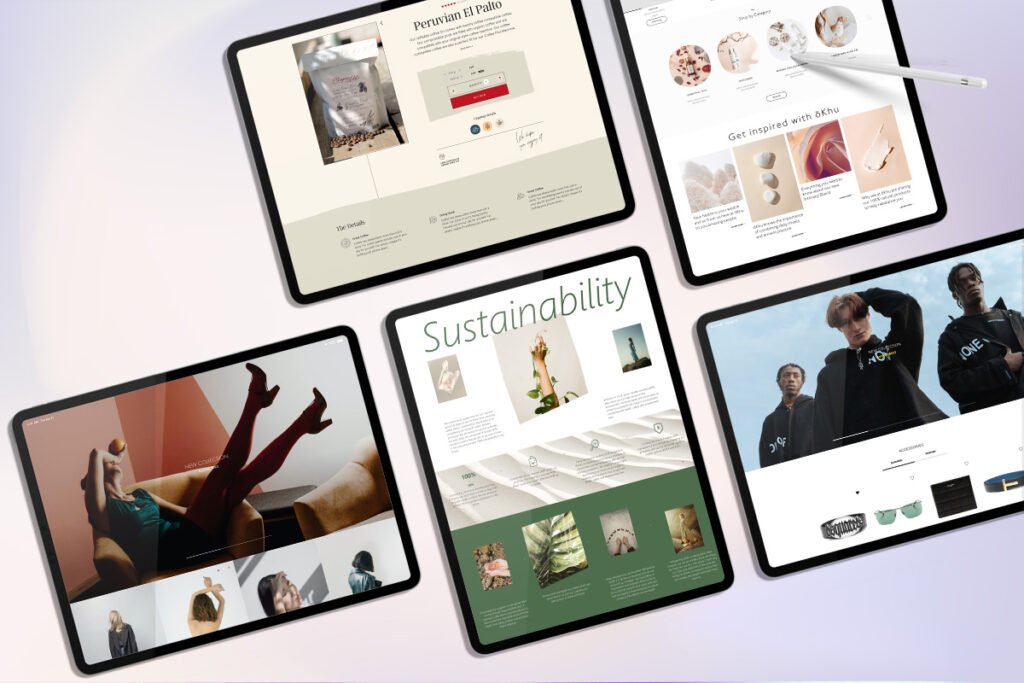
In the digital world, your storefront is your first impression. Shopify offers a plethora of themes, both free and paid, to suit your business’s vibe and ethos. A key tip: choose a responsive design that adapts well to both desktop and mobile devices, as a significant chunk of online shopping is mobile-based in 2024.
3. Product Selection: What to Sell
Deciding what to sell can be a challenging yet exciting phase. Conduct market research to understand trends, customer needs, and gaps in the market. Your products should not only be in demand but also align with your brand’s values and strengths.
The Dropshipping Model in 2024
1. Understanding Dropshipping: A Quick Recap
Dropshipping is a business model where you, the store owner, don’t keep the products in stock. Instead, when a customer buys a product, the order is sent to a third-party supplier, who then ships the product directly to the customer. This model minimizes the risk and investment typically associated with inventory management.
2. Is Dropshipping Still Relevant in 2024?
Yes, dropshipping remains a viable and popular model in 2024, especially for those new to e-commerce or with limited capital. The key advantage of dropshipping is its low barrier to entry – you can start a business without a hefty investment in inventory. However, the market has become more competitive, and success now hinges on choosing the right niche, maintaining quality customer service, and developing unique marketing strategies.
3. Finding the Right Supplier
Your supplier is your business partner in the dropshipping model. Platforms like AliExpress and Oberlo are still popular in 2024, offering a wide range of products and suppliers. When choosing a supplier, consider factors like product quality, shipping times, and reliability. Building a relationship with your supplier is crucial for long-term success.
Marketing Your Shopify Store
1. SEO and Content Marketing: Driving Organic Traffic
In 2024, SEO (Search Engine Optimization) continues to be a cornerstone of digital marketing. Use keywords strategically in your product descriptions and content to improve your store’s visibility on search engines. Content marketing, through blogs or social media, can engage potential customers and drive traffic to your store.
2. Leveraging Social Media: Building a Community
Social media platforms are dynamic tools for marketing in 2024. They allow you to build a community around your brand, showcase your products through creative content, and engage with your audience. Platforms like Instagram, TikTok, and Pinterest are particularly effective for visually-driven products.
3. Email Marketing: Fostering Customer Relationships
Email marketing remains a powerful tool for building customer relationships and encouraging repeat business. Use personalized emails to inform customers about new products, sales, or content, fostering a sense of community and brand loyalty.
Managing Your Shopify Store
1. Customer Service: The Heart of Your Business
Excellent customer service can set your Shopify store apart from competitors. Quick responses to queries, efficient resolution of issues, and a friendly, helpful tone can significantly enhance customer satisfaction and loyalty.
2. Analytics: Understanding Your Customers
Shopify provides robust analytics tools to understand your customer’s behaviors, preferences, and feedback. Utilize these insights to refine your marketing strategies, product selections, and overall customer experience.
3. Adapting and Evolving
The digital market is constantly changing, and so should your strategies. Stay updated with e-commerce trends, customer preferences, and technological advancements to keep your Shopify store relevant and competitive.
Conclusion
Starting a Shopify store in 2024 is an exciting journey filled with learning and opportunities. Whether you opt for the traditional e-commerce route or explore the dropshipping model, the key to success lies in understanding your market and engaging with your customers

Written by
Dili